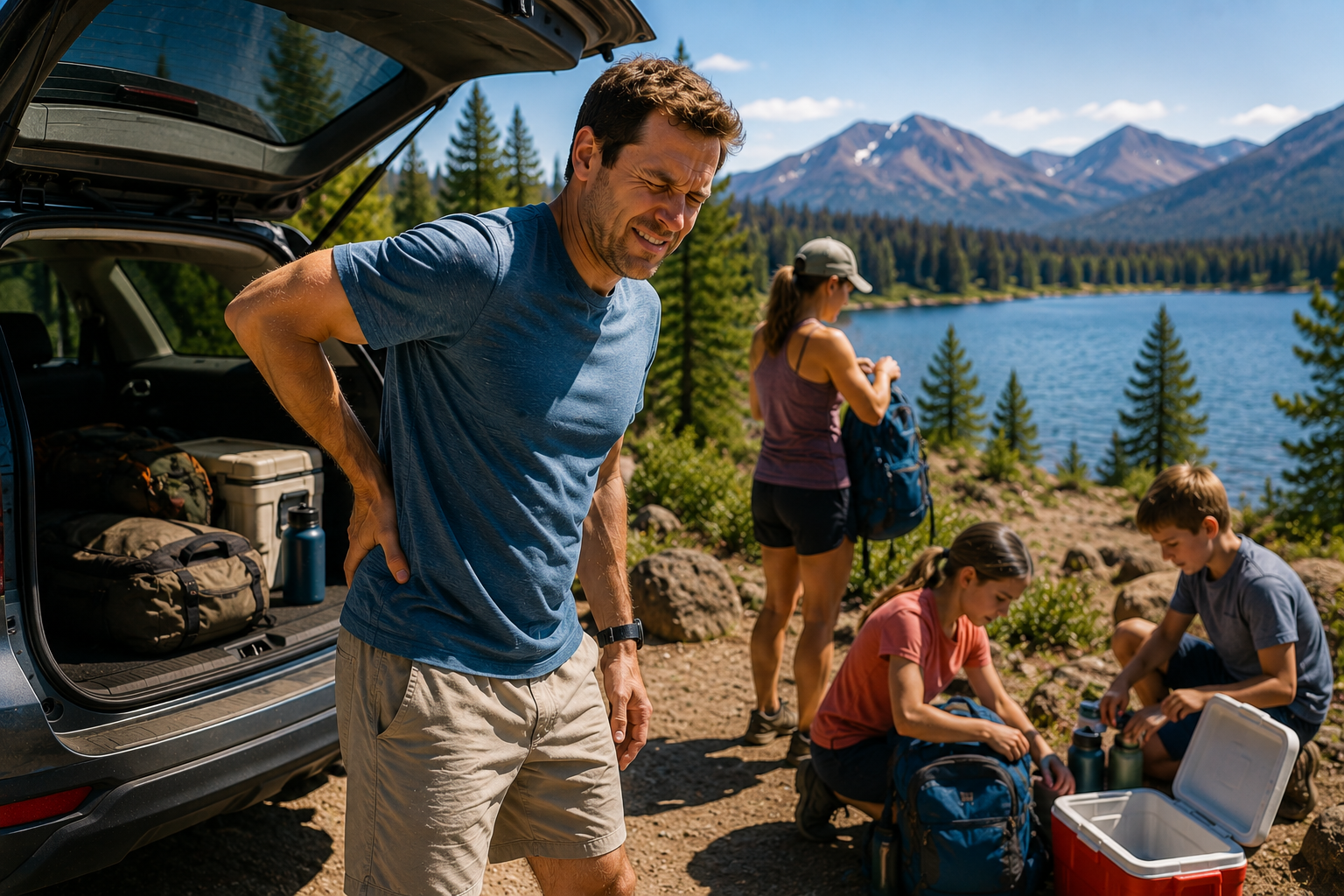
As folks who live in Central Oregon know, summer has a way of filling up your calendar. One weekend you're hiking South Sister. The next you're squeezing in a mountain bike ride after work, spending a day on the paddleboard, or walking 18 holes with friends. Add in yard work, camping trips, and family vacations, and it's no surprise your body starts feeling the effects.
For many people, the aches and stiffness that come with summer are simply accepted as part of staying active. You might wake up with a sore back after a weekend adventure or notice your neck feels tight after spending hours in the car. Maybe your hips feel stiffer than usual after a long hike, or your shoulders don't seem to recover like they used to.
The good news is that soreness doesn't always mean you've injured yourself. More often, it's your body telling you it's working harder than it's accustomed to, and that it could use a little attention before a small issue becomes something that limits your ability to enjoy the season.
Most of us become far more active during the summer months. Even people who exercise regularly often add activities their bodies haven't done in months.
A few examples include:
Each activity places different demands on your muscles, joints, and nervous system. Even healthy movement can become stressful when your body isn't prepared for it.
Your body is remarkably good at adapting. If one joint isn't moving well, another part of your body often compensates. That helps you keep moving, but those compensation patterns can create additional stress over time.
What starts as a little stiffness after a bike ride can eventually affect your posture, mobility, or overall comfort if it continues week after week. Many people wait until the pain becomes severe before they seek help. By then, the body may have spent weeks or months adapting around the original problem.
Addressing minor issues early is usually much easier than trying to recover after they've become chronic.
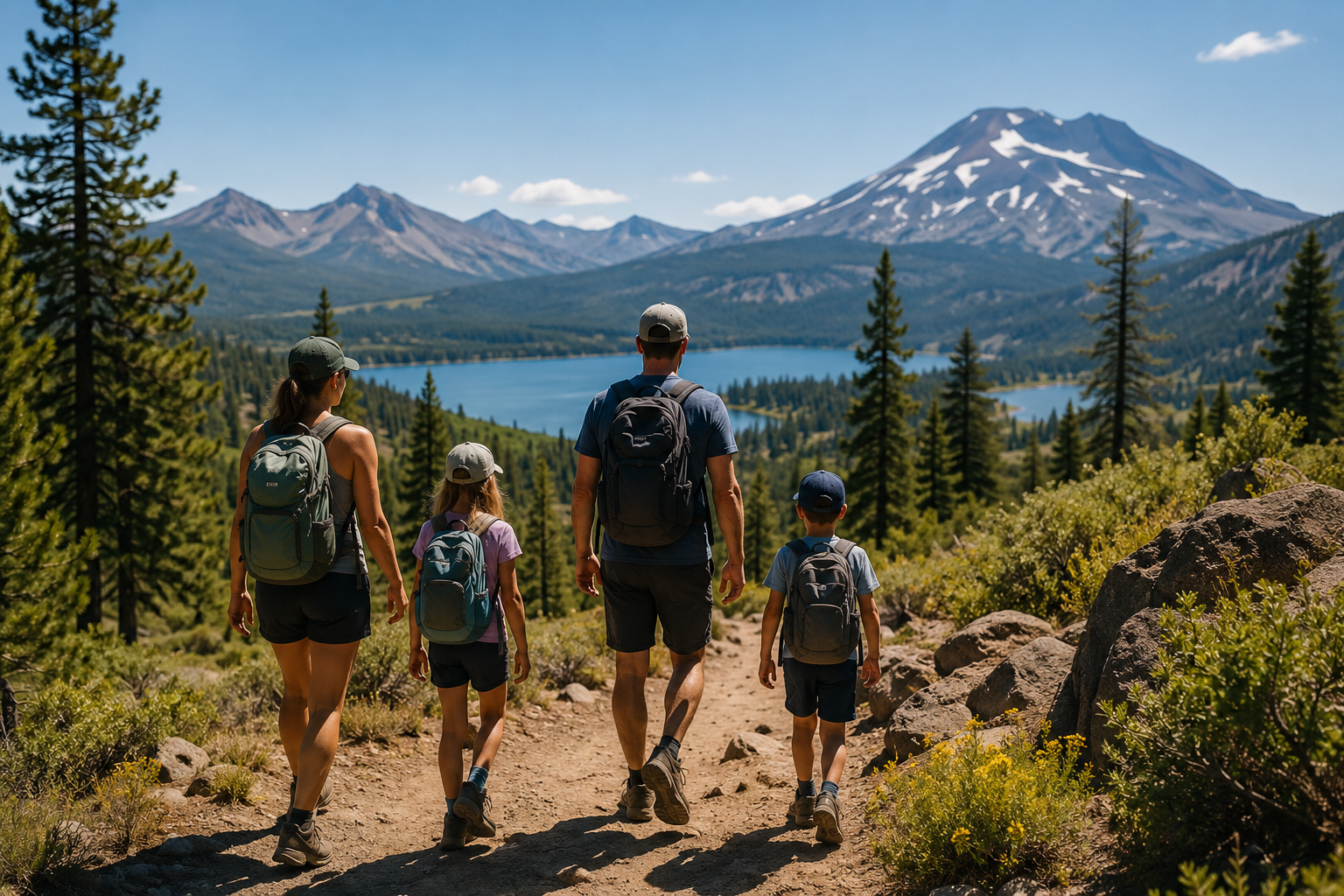
Most people understand the importance of warming up before exercise. Recovery deserves just as much attention. Simple habits can help your body bounce back more effectively after summer activities:
Recovery isn't about avoiding activity. It's about helping your body stay ready for the next adventure.
When people think about soreness, they usually think about muscles. But your nervous system plays a central role in how your body moves, adapts, and recovers.
Your brain and nervous system coordinate every movement you make. They help your muscles work together, maintain balance, and respond to changing terrain, whether you're climbing a trail or simply unloading the car after a weekend away.
When your body experiences physical stress, your nervous system works overtime to keep everything functioning efficiently. Supporting healthy nervous system function can help your body adapt more effectively to the demands of an active lifestyle.
Summer in Central Oregon is too short to spend it sitting on the sidelines. If you've noticed recurring stiffness, lingering soreness, or discomfort that doesn't seem to be improving, it may be your body's way of asking for a little attention.
Taking a proactive approach doesn't mean waiting until you're injured. It means paying attention to how your body feels, addressing small concerns early, and making recovery part of your overall wellness routine.
That way, you'll be ready for whatever the next sunny weekend brings.
If you're ready to help your body recover, adapt, and keep up with everything summer has to offer, the team at Point Chiropractic is here to help. Schedule an appointment today and enjoy the rest of the season feeling your best.


